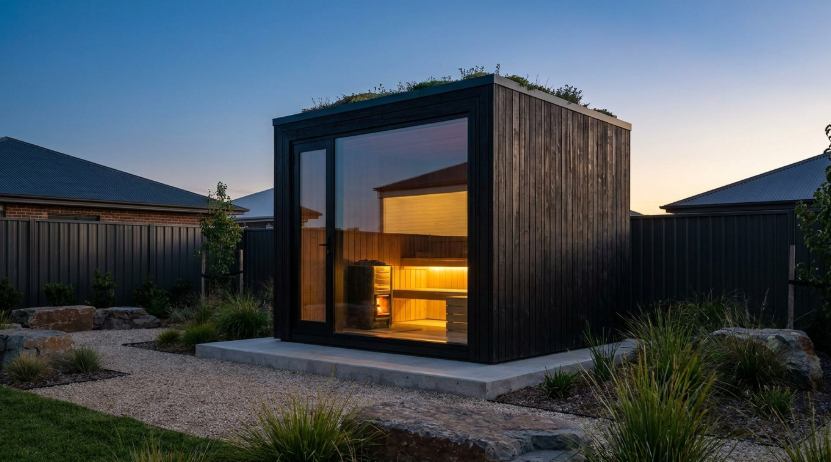
A first cabin sauna typically costs $4,000 to $9,000 all in for a two to three person unit once you add site prep and electrical work, and runs $20 to $45 a month afterward for a few sessions a week. The decisions that matter most for a beginner are size, heater type, base preparation, and wiring, in roughly that order. Here are the nine things worth understanding before you buy your first one.
1. Start With a Size You Will Actually Use
A two to three person cabin covers most households comfortably and costs meaningfully less than a four to six person build, both to buy and to run each month. It is tempting to size up for guests or future flexibility, but most beginners underestimate how rarely a larger cabin gets filled to capacity compared with how often it gets used solo or as a couple. Sizing to your typical use, not your occasional use, keeps both the purchase price and the ongoing electric bill lower.
2. Understand What Kiln-Dried Wood Actually Buys You
Cabin interiors are almost always kiln-dried spruce, aspen, or cedar rather than green lumber, and this matters more than it sounds. Kiln-drying removes most of the internal moisture before the wood is milled, which means it resists warping, cracking, and mold far better under the repeated heat-and-cool cycles a sauna goes through. Cedar costs more than spruce or aspen but holds up especially well in humid or rainy climates if your cabin sits outdoors.
3. Choose Electric Over Wood-Fired for Your First Unit
Electric heaters turn on with a switch or app and reach a set temperature predictably, which makes the learning curve much shorter for a beginner. Wood-fired stoves have their own appeal and can cost less in fuel, but they require tending a fire, managing draft, and more hands-on maintenance, which is a lot to take on while you are still learning basic session timing and temperature preferences.
4. Plan the Base Before the Cabin Arrives
A level, well-drained base, whether gravel, pavers, concrete, or a suitably rated existing deck, needs to be ready before delivery, not figured out afterward. Skipping this step or placing a cabin on uneven or poorly draining ground can lead to a sticking door, moisture damage to the floor sills, and a shorter overall lifespan for the structure. Budget $200 to $3,000 depending on which base option you choose.
5. Confirm Your Electrical Situation Early
Heaters above roughly 4.5 to 6 kW need a dedicated 240V circuit, which a licensed electrician typically installs for $500 to $1,500. Smaller cabins with heaters under that threshold can sometimes run on standard 120V service, which is one reason compact units appeal to first-time buyers who want to avoid an electrical project. Check your chosen model’s voltage requirement before ordering, not after it arrives.
6. Budget for Stove and Wall Clearances
Every heater has a manufacturer-specified clearance zone, typically several inches from combustible wood surfaces, that has to be respected when placing benches and planning the room layout. This is set at the factory for cabins built to spec, but it is worth understanding so you never move a heater or add shelving inside the cabin without checking the clearance rules first.
7. Expect Light, Not Heavy, Maintenance
Ongoing upkeep for a cabin sauna is genuinely minor. Wipe down benches after each use, oil or lightly sand the wood occasionally in humid climates, and replace heater rocks roughly every one to two years for $30 to $80. Most beginners expect more maintenance than a cabin actually requires, which is one of the more pleasant surprises of ownership.
8. Know What the Evidence Actually Supports
A Mayo Clinic Proceedings review of the evidence found regular sauna bathing associated with a range of favorable cardiovascular and general health outcomes among consistent long-term users, and a separate 2023 Mayo Clinic Proceedings review looked specifically at whether combining sauna use with other healthy lifestyle habits, like regular exercise and a balanced diet, produced additional benefit beyond either alone, finding the combination associated with better outcomes than sauna use in isolation. A systematic review in Evidence-Based Complementary and Alternative Medicine reported similar associations across smaller clinical studies. These are association findings, not proof that owning a sauna alone changes your health, and a beginner should read the research that way rather than as a guarantee tied to any specific purchase.
9. Check the Warranty and What It Actually Covers
Warranty terms vary more between cabin manufacturers than most beginners expect, and the heater is usually covered separately from the wood structure itself. A typical setup covers the heater for one to three years and the cabin’s wood components for longer, sometimes five years or more, but installation errors, like wiring outside the rated voltage or placing the heater without proper clearance, can void coverage even within that window. Ask specifically whether professional electrical installation is a warranty requirement before you decide whether to hire an electrician or attempt any part of the wiring yourself.
10. Give the First Few Weeks Time to Find Your Routine
Most beginners do not settle into a consistent temperature, session length, and weekly frequency until after several weeks of trial and error, and that is normal rather than a sign anything is wrong with the cabin. Keep a rough note of what temperature and duration felt right on which days, since preferences often shift once the initial novelty wears off and a genuine routine takes over. A cabin that gets used two or three times a week consistently after the first month is a better outcome than one used daily for two weeks and then ignored.
11. Compare a Few Models Before You Commit
Cabin dimensions, heater ratings, and wood species vary enough between manufacturers that it is worth looking at more than one option before buying. Beginners researching their first cabin can compare current sizes, heater specs, and pricing through the team at SweatDecks, which lists cabin footprints and voltage requirements side by side to make an initial size and budget decision easier.
Frequently Asked Questions
What size cabin sauna should a beginner buy?
A two to three person cabin suits most households, costing less to buy and run than a larger unit while still fitting regular use.
How much does a first-year cabin sauna setup cost?
Most beginners spend $4,000 to $9,000 in year one including the cabin, base preparation, and electrical work.
Is a cabin sauna hard to maintain?
No. Upkeep is light: wiping down benches, occasional wood oiling, and replacing heater rocks every one to two years.
Does a beginner need a wood-fired or electric cabin sauna?
Electric is generally easier for first-time owners since it heats predictably, while wood-fired units need more hands-on tending.
How long before a cabin sauna pays for itself?
Often within one to two years for a household that would otherwise pay for regular spa or gym sauna access.
References
- “Cardiovascular and Other Health Benefits of Sauna Bathing: A Review of the Evidence.” Mayo Clinic Proceedings, 2018. https://pubmed.ncbi.nlm.nih.gov/30077204/
- “Does the Combination of Finnish Sauna Bathing and Other Lifestyle Factors Confer Additional Health Benefits? A Review of the Evidence.” Mayo Clinic Proceedings, 2023. https://pubmed.ncbi.nlm.nih.gov/37270272/
- “Clinical Effects of Regular Dry Sauna Bathing: A Systematic Review.” Evidence-Based Complementary and Alternative Medicine, 2018. https://pubmed.ncbi.nlm.nih.gov/29849692/
By Monica Teague